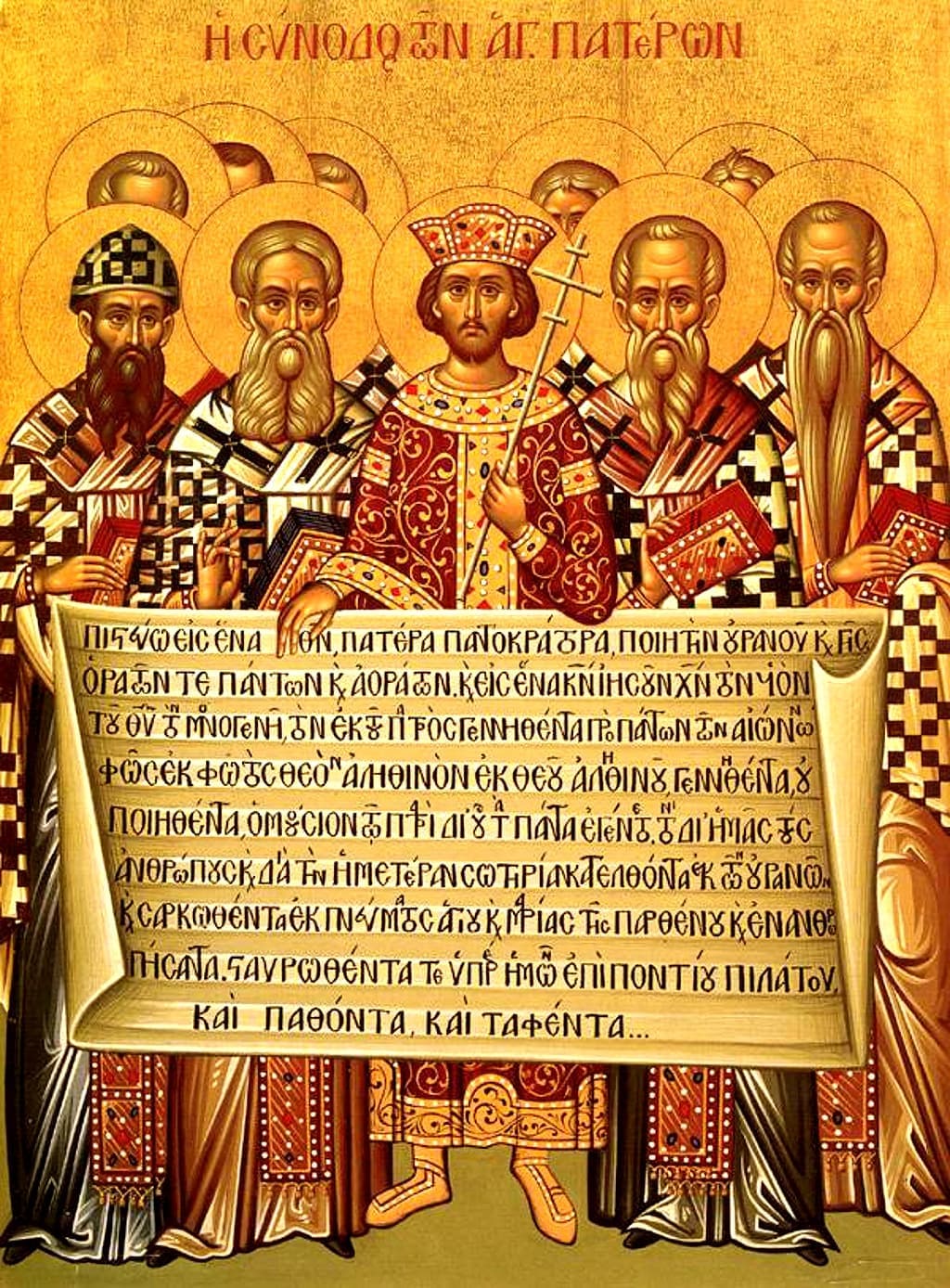
Christianity had been legal in the Roman empire for barely a decade, and it was arguing with itself. The emperor who had legalised it decided the argument needed settling, and did something no church leader could have done: he paid for everyone to travel.
The row that made it necessary
The dispute had started in Alexandria with a priest named Arius, who taught that the Son had been brought into being by the Father and was therefore not co-eternal with him. His bishop disagreed. What might have stayed a local quarrel spread through the eastern churches along the same trade and correspondence routes that carried everything else, and by the early 320s it had become the loudest disagreement in Christendom.
Constantine's interest was not primarily theological. He had spent years fighting his way to sole rule of a divided empire and had identified the church as something that could hold it together. A church at war with itself was no use to him. His first move was to send a letter telling both sides the question was trivial and they should stop; when that failed, he called a council.
Paying for the room
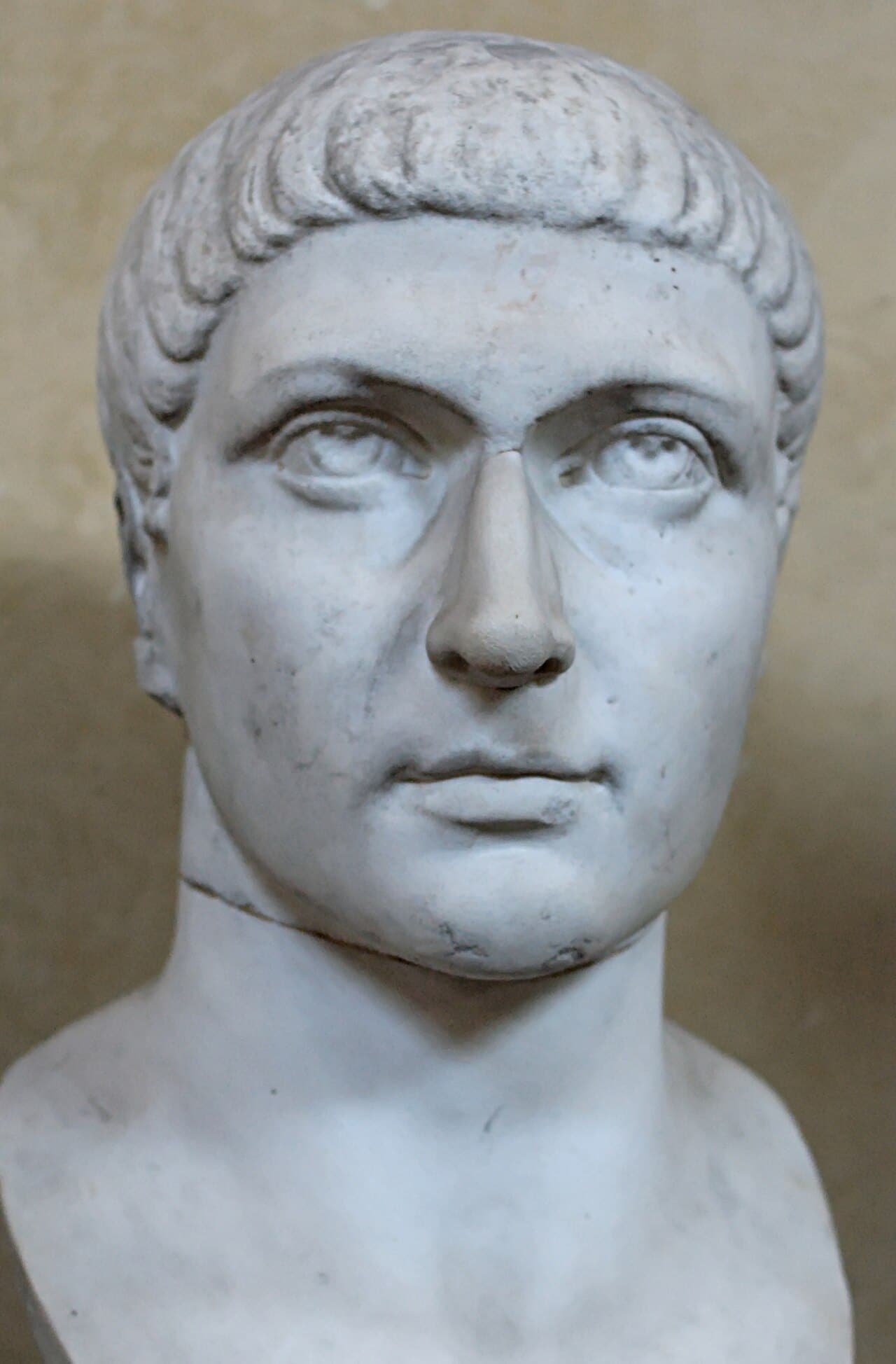
This is the part worth dwelling on, because it is what made the meeting possible. Constantine put the cursus publicus — the imperial transport and courier network, built for officials and military dispatches — at the bishops' disposal, and covered their expenses.
Before that, a bishop travelling from Spain or Gaul to Bithynia was looking at months on the road and a cost his church could not absorb. Regional synods were common precisely because they were the largest gathering anyone could afford. Nicaea was the first time the machinery of the Roman state was pointed at the problem of assembling a church.
It shows in who turned up. Attendance was overwhelmingly eastern — the west sent a handful, and the bishop of Rome sent representatives rather than attending. Even with the empire paying, distance still decided the room.
What was decided
The council produced a creed. Its central move was the word homoousios — “of one substance” — asserting that the Son was of the same being as the Father, not a created thing however exalted. Arius's position was condemned and he was sent into exile.
It also settled a calendar problem that had been dividing congregations for a century: how to fix the date of Easter, which some churches had been tying to the Jewish Passover and others calculating independently. And it issued twenty canons on church discipline, on everything from the ordination of clergy to the treatment of those who had renounced their faith under persecution and wanted to return.
The creed we now recite is not quite the one written here. The version most churches use took its final shape at Constantinople in 381, which is why it is more properly the Niceno-Constantinopolitan creed. The 325 text is shorter and ends more abruptly.
Getting three hundred people to agree, in an empire without post
Everything about the logistics was harder than the theology. There was no way to poll availability, no way to confirm attendance in advance, and no way to tell a bishop halfway through a two-month journey that anything had changed. The date was set, the invitation went out, and whoever arrived was the council.
Nor was there a reliable way to distribute the result. The decisions had to travel back out along the same roads, carried by the people who had been there, and be explained by them to congregations who had not. The council did not end the Arian dispute — it ran for most of the rest of the century, and at points the Arian position was the one with imperial backing. Announcing a decision and having it take effect were, then as now, different things.
What people get wrong
Nicaea did not decide which books belong in the Bible. That claim is popular, it appears in a great deal of fiction, and there is nothing in the council's canons or the creed about the scriptural canon at all — the collection of texts settled gradually over centuries, through use rather than a vote. The related idea that the divinity of Christ scraped through on a close ballot is also wrong in a specific way: the question the bishops actually voted on was narrower, and the vote was not close. Tradition records two dissenters.
The theology was the easy part. The hard part was that a bishop in Gaul had no way of knowing whether the meeting had already happened.