The war was not over — the Normandy landings had happened four weeks earlier — and forty-four allied nations sent delegations to a resort hotel in the White Mountains to design the monetary system that would follow it.
Why a hotel in the mountains
The location was chosen partly for the obvious reason — a large building that could sleep and feed several hundred people for three weeks, in a summer when Washington was unbearable — and partly for the less obvious one. There was nowhere else to go. Delegates ate together, drank together and worked absurd hours because the alternative was a mountain.
The hotel had been closed since 1942 and was reopened for the occasion with staff pulled in at short notice. Rooms were shared, the plumbing struggled, and the bar became the venue where a good deal of the actual negotiating happened.
Two plans, one outcome
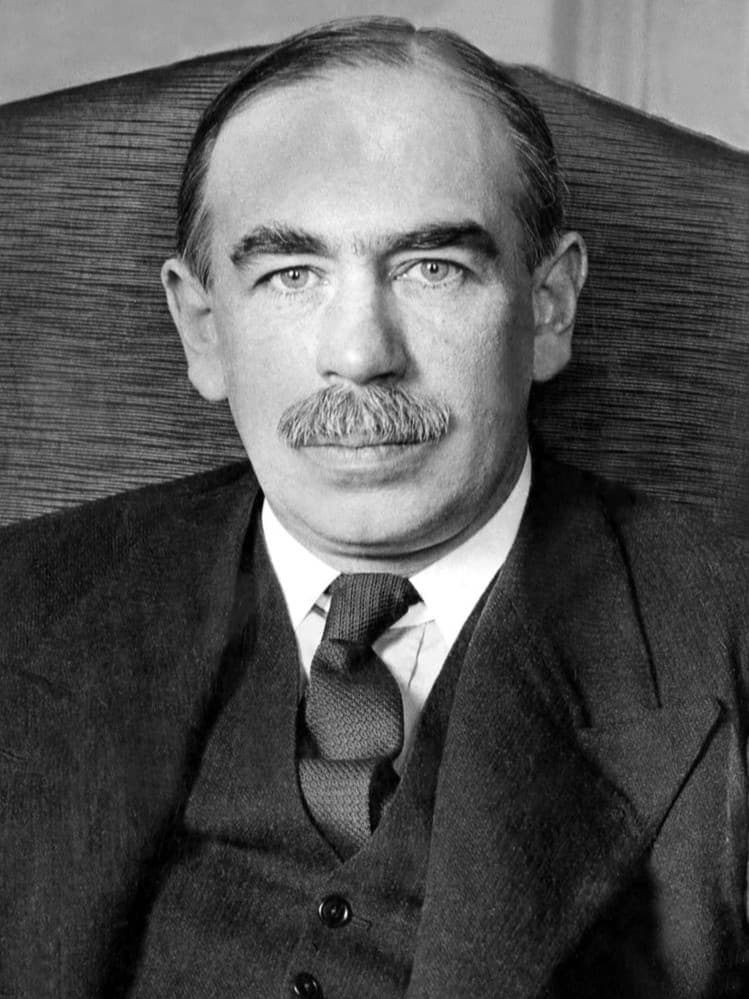
Keynes, for Britain, wanted an international clearing union with its own reserve unit and pressure applied to surplus countries as well as deficit ones. Harry Dexter White, for the United States, wanted a fund built on national contributions with the dollar at the centre.
White's plan won, because the United States held most of the world's gold and was paying for the war. The result pegged currencies to the dollar and the dollar to gold, and created the International Monetary Fund and the International Bank for Reconstruction and Development — now the World Bank.
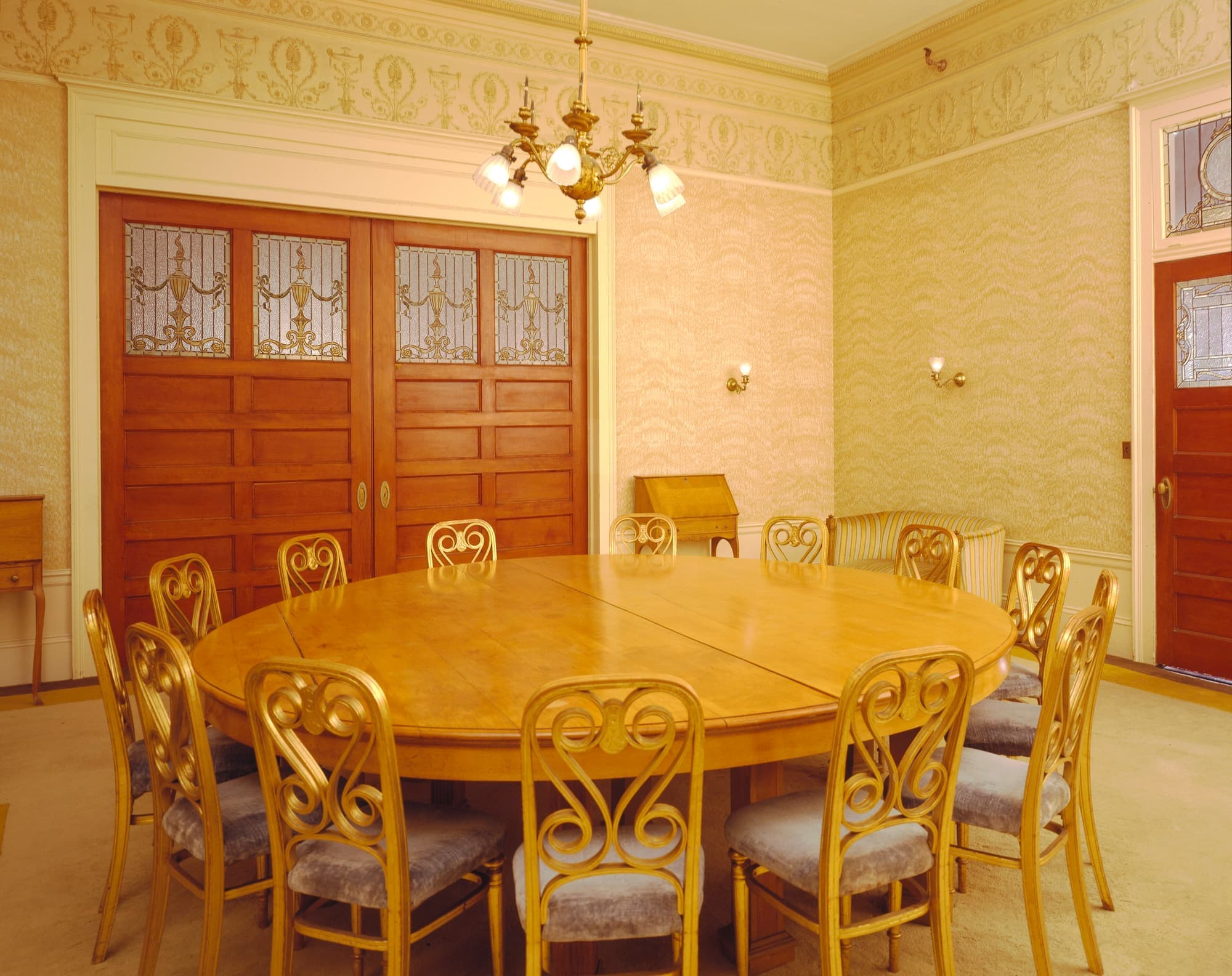
The agreement was signed in the hotel's Gold Room on 22 July. The Soviet delegation signed and then never ratified.
It lasted twenty-seven years
The system held until August 1971, when the United States suspended dollar convertibility to gold and the pegs collapsed within two years.
The institutions outlived it. The IMF and the World Bank are still running, still governed by a voting structure set at that hotel, and still arguing about the thing Keynes lost on — whether the burden of adjustment should fall on countries that owe or countries that are owed.
What people get wrong
Bretton Woods did not put the world on a gold standard. It pegged other currencies to the dollar and made only the dollar convertible to gold, and only for foreign governments, not individuals — a very different arrangement, and one that gave the United States a structural advantage everyone else understood at the time. It is also not true that Keynes designed it; he lost the central argument, and said afterwards that he had been outnumbered rather than out-reasoned.
Three weeks in a mountain hotel with nowhere to go in the evenings. That was the design, not an accident.